
Technical information
Giving liquid metal the composition and form needed for its next application.
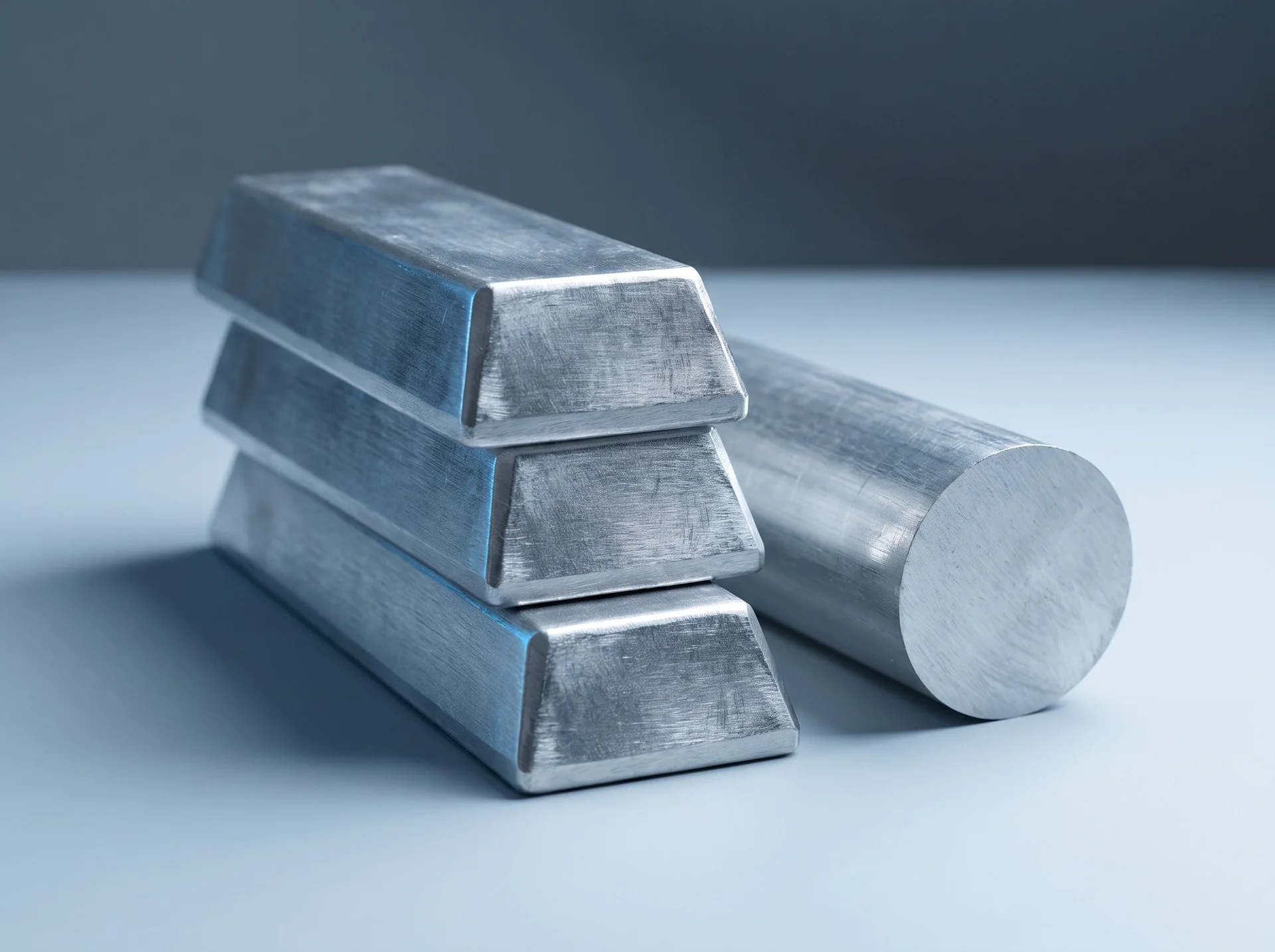
The cast house connects primary metal with downstream manufacturers. Liquid aluminium is prepared to the required composition and cast into forms such as ingots, billets or slabs. Alloy selection and metal treatment are matched to the intended manufacturing route.
Quality depends on more than the nominal alloy. Melt cleanliness, casting conditions, dimensions and material identification all affect performance further along the chain. Commercial discussions should therefore define the relevant grade, form, inspection documentation and packaging together, rather than treating the metal as an interchangeable commodity.
The casthouse transforms liquid metal into a transportable and usable industrial form. At this stage, composition, bath preparation, casting technology, and rolling, extrusion, or remelting requirements are connected.
- Input material
- Liquid aluminum and alloying elements
- Industrial output
- Ingots, billets, and cast slabs
Transformation sequence
- 01
Metal Reception and Preparation
Holding and melting furnaces organize the metal supply for the campaign. Preparation considers the required composition, identification of charges, and metal treatment according to the intended application.
- 02
Casting by Product Family
Line selection depends on the format: ingots for remelting, billets for extrusion, or slabs for rolling. Formation and cooling control aims to obtain a geometry and condition compatible with subsequent processing.
- 03
Conditioning and Identification
Depending on the product and route, pieces may require cutting, surface conditioning, or homogenization. Inspection, lot identification, and storage are organized. These operations preserve the relationship between composition, campaign, and destination.
Equipment and systems
- Holding and melting furnaces
- Metal preparation and filtration systems
- Casting lines and cooling circuits
- Cutting, inspection, and handling equipment
Process control and quality
Verification combines composition analysis, dimensional inspection, and product condition evaluation. Criteria are established for the application; an extrusion billet and a remelt ingot do not share all requirements.
Operational continuity
The casting schedule must coordinate furnaces, cooling, molds, and handling equipment. Preparation of refractories and spare parts helps organize campaign changes and maintenance without losing material traceability in process.
Connection to the next stage
Semi-finished products are assigned to rolling, extrusion, or remelting customers with agreed documentation and condition.
Process focus
- Metal preparation & alloy selection
- Casting and dimensional control
- Lot identification & documentation
Output & applications
- Ingots for remelting
- Billets for extrusion
- Slabs for rolling
The process shown explains the industrial value chain. The scope of each Commvensa engagement depends on the relevant project, contract and operating arrangements.
Process reference: The Aluminum Association ↗