 01
01COMMVENSA / Industrial Operations
Mining and resource development
Mining operations connect knowledge of the deposit with plant feed. Geology, sampling, and planning allow for defining mining fronts, extraction sequences, and ore blends. For bauxite, the material's suitability for refining is important; for iron, its composition and characteristics that condition its concentration and subsequent transformation.
Mine development incorporates access roads, drainage, stockpiling areas, workshops, and mobile equipment coordination. Mine management must relate productivity, fleet availability, material control, and environmental management. Mine information accompanies the ore to the plant to interpret variations in recovery, reagent consumption, and product quality.
- Geology, sampling, and mine planning
- Extraction, transport, and blend control
- Mine infrastructure and fleet management
 02
02COMMVENSA / Industrial Operations
Engineering and facility development
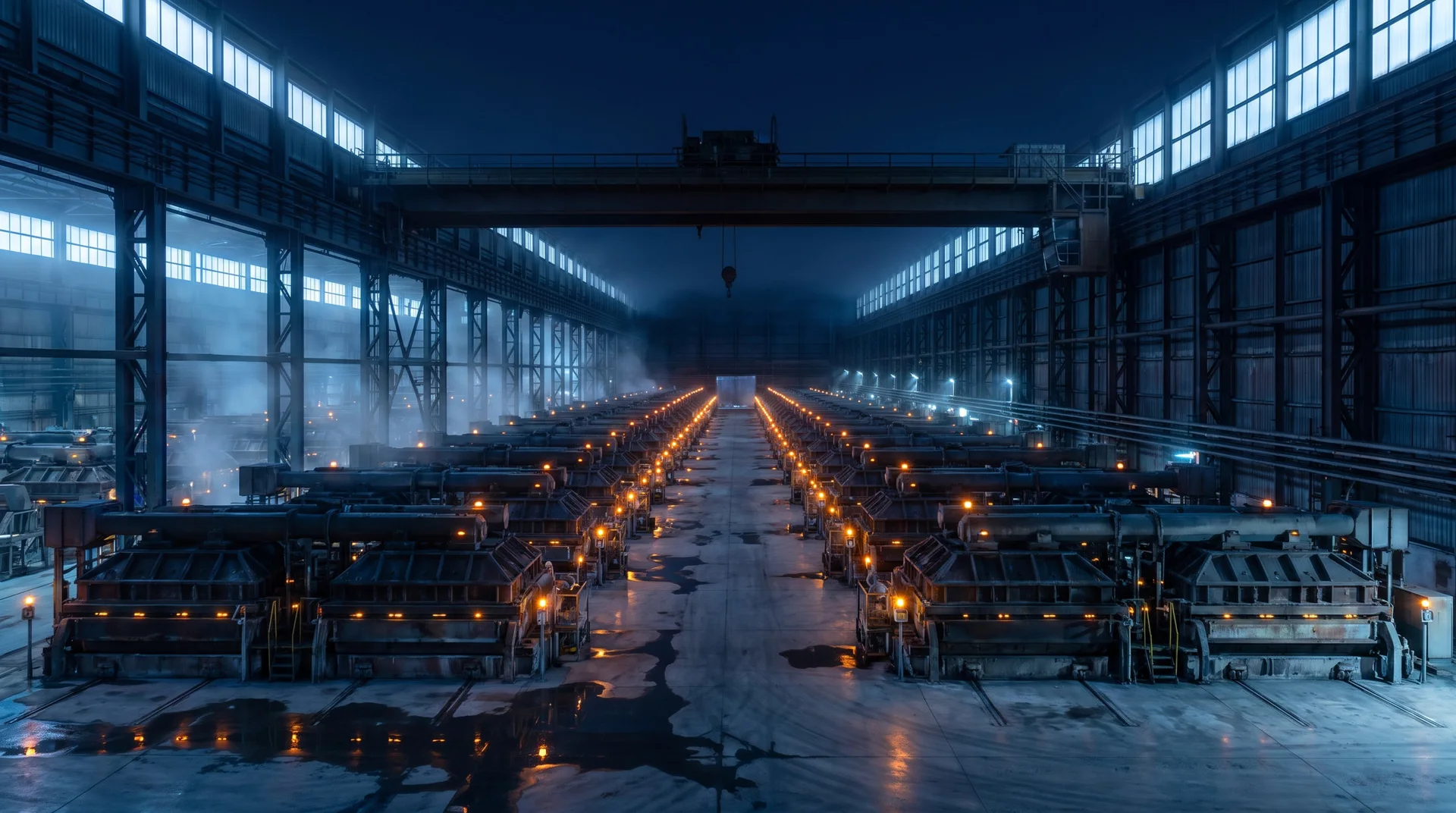
Engineering transforms an industrial need into a constructible and operable solution. It starts from material and energy balances, required capacity, and raw material characteristics to define equipment, facility layout, and interfaces between processes. It integrates process, mechanical, electrical, instrumentation, automation, and civil engineering disciplines.
In facility recovery, the diagnosis of existing assets allows distinguishing what can be rehabilitated from what requires replacement or redesign. Engineering must incorporate access for maintenance, spare parts, auxiliary services, and operational requirements from the outset. Change control, technical documentation, and transfer to the operating team accompany execution until commissioning.
- Diagnosis, conceptual, and detailed engineering
- Discipline integration and change control
- Equipment documentation and handover to operations
 03
03COMMVENSA / Industrial Operations
Production planning and coordination
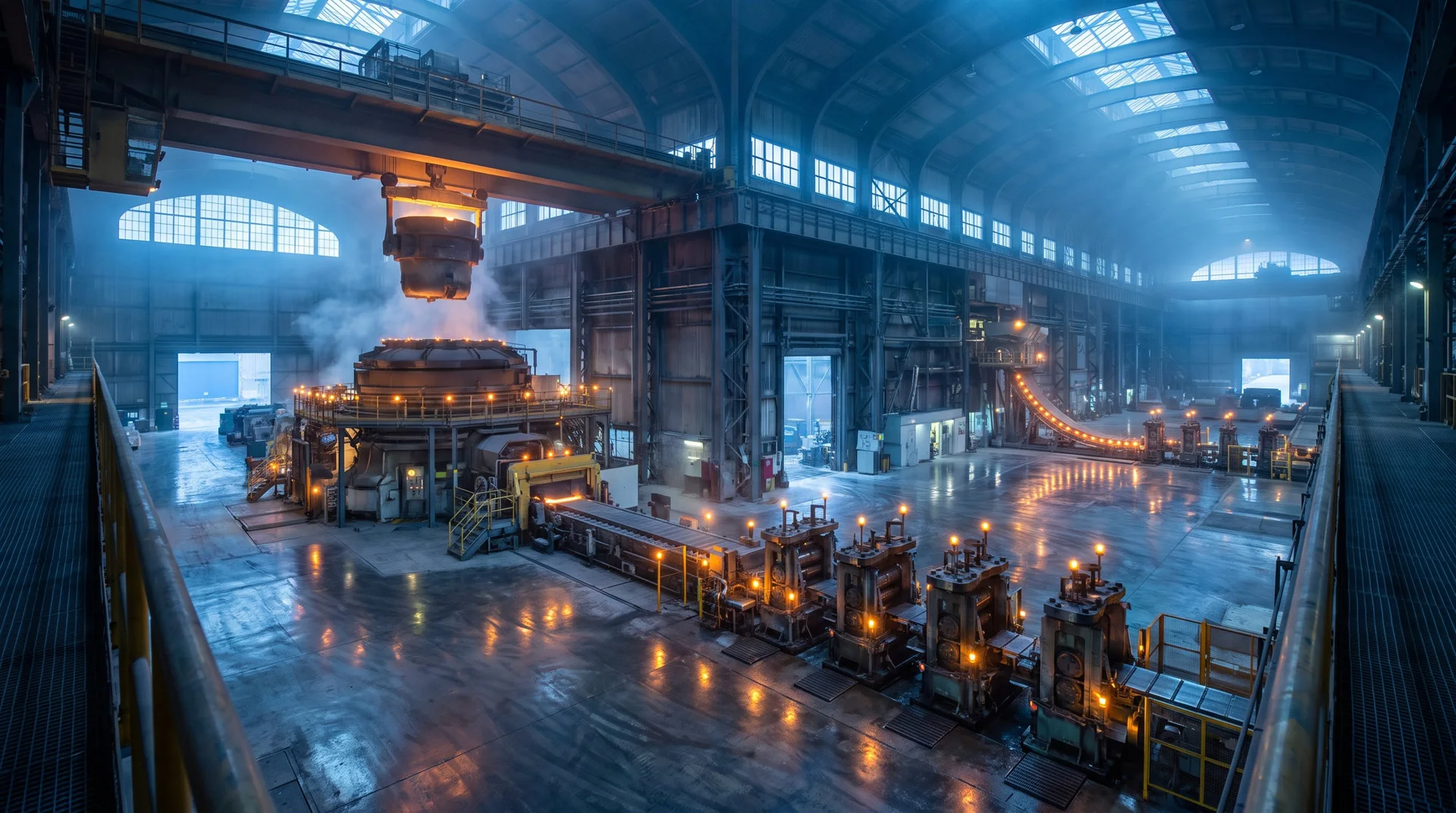
Planning translates orders, inventories, and plant availability into campaigns, sequences, and priorities. In an integrated chain, one area's schedule conditions the next: a crushing shutdown affects supply; a casting restriction modifies steel shop load; a dispatch delay occupies finished product space.
Coordination between shifts must record equipment status, in-process materials, held batches, and pending interventions. With this information, the schedule is adjusted without losing the relationship between processed tons, conforming product, and delivery commitments.
- Campaign and load scheduling
- Balance between feed, process, and storage
- Incident logging and inter-shift coordination
 04
04COMMVENSA / Industrial Operations
Energy and auxiliary services
Electricity powers drives, instrumentation, and large consumers such as reduction cells and electric furnaces. Steam, fuels, industrial water, compressed air, and process gases perform different functions in each facility. A line may be mechanically ready but still lack the necessary services to produce.
Operational preparation includes identifying critical consumers, checking supply interfaces, and coordinating internal networks with the production schedule. In recovery projects, the effective availability of these services determines the activation sequence of the units.
- Electrical distribution and rectification
- Process water, cooling, and compressed air
- Fuels, steam, and industrial gases
 05
05COMMVENSA / Industrial Operations
Laboratory, quality, and traceability
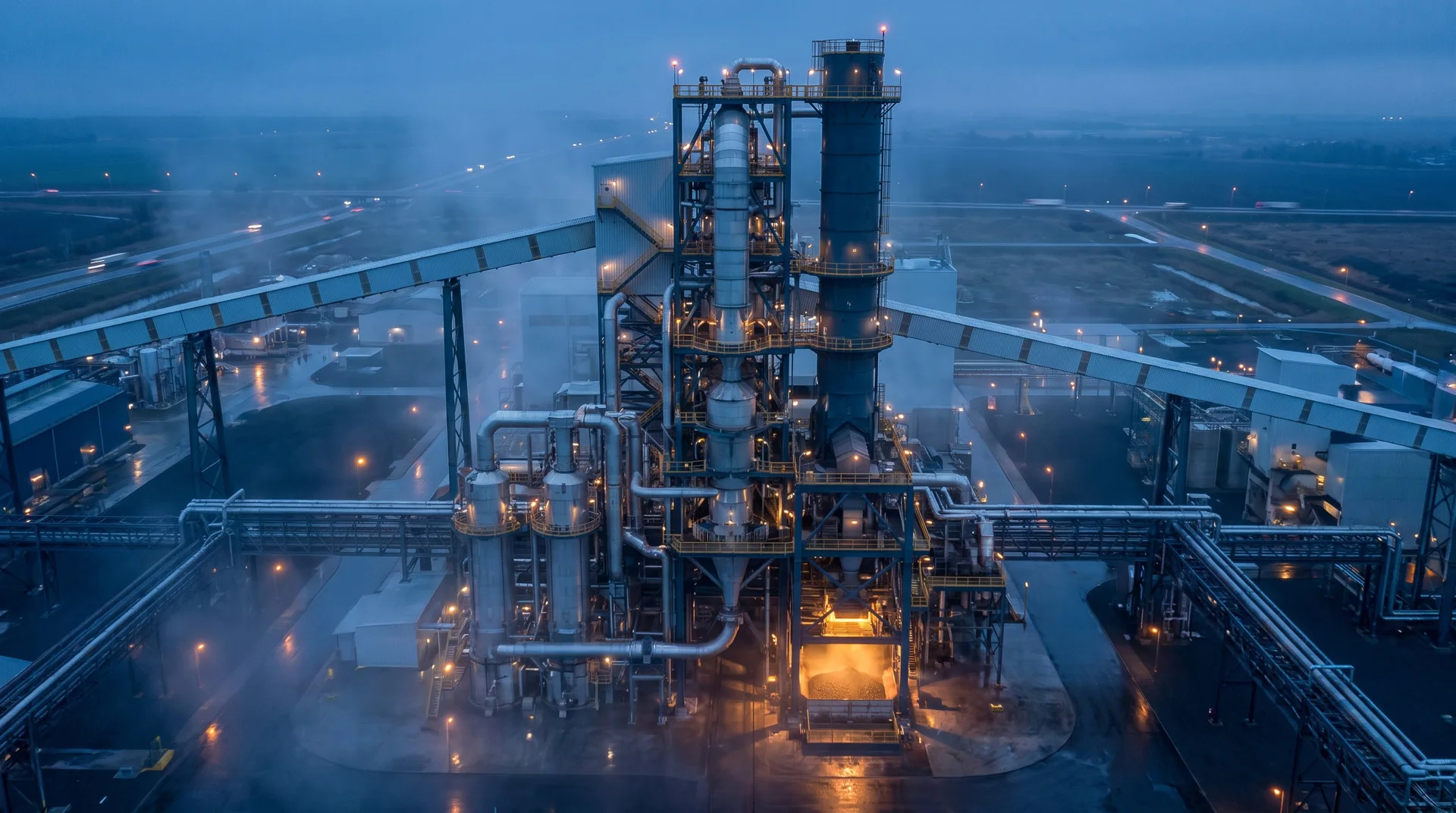
The laboratory connects raw material characteristics with process behavior and product specification. Sampling is organized at relevant points: reception, preparation, transformation, and final product. Results allow deciding if a material can proceed, needs adjustment, or must remain segregated.
Traceability maintains the relationship between origin, batch, production order, tests, and dispatch. In transformed metals, composition alone does not define conformity: dimensions, metallurgical state, surface, and documentation are also important. Product release must comply with the agreed customer specification.
- Sampling and analysis by stage
- Identification of batches and in-process material
- Inspection and documentary product release
 06
06COMMVENSA / Industrial Operations
Maintenance and asset reliability
Maintenance combines attention to equipment condition, scheduled interventions, and shutdown preparation. Motors, reducers, pumps, conveyors, fans, furnaces, and control systems have different wear modes. The criticality of each asset depends on the effect its unavailability would have on safety, quality, and process continuity.
A recovery program must organize inspections, spare parts, repair procedures, and acceptance tests. The availability of a part is not enough if tools, personnel, or access to the equipment are lacking. Therefore, maintenance planning connects with engineering, technical warehouse, and production.
- Inspection and condition monitoring
- Shutdown and intervention planning
- Critical spare parts and technical documentation
 07
07COMMVENSA / Industrial Operations
Material handling and industrial logistics
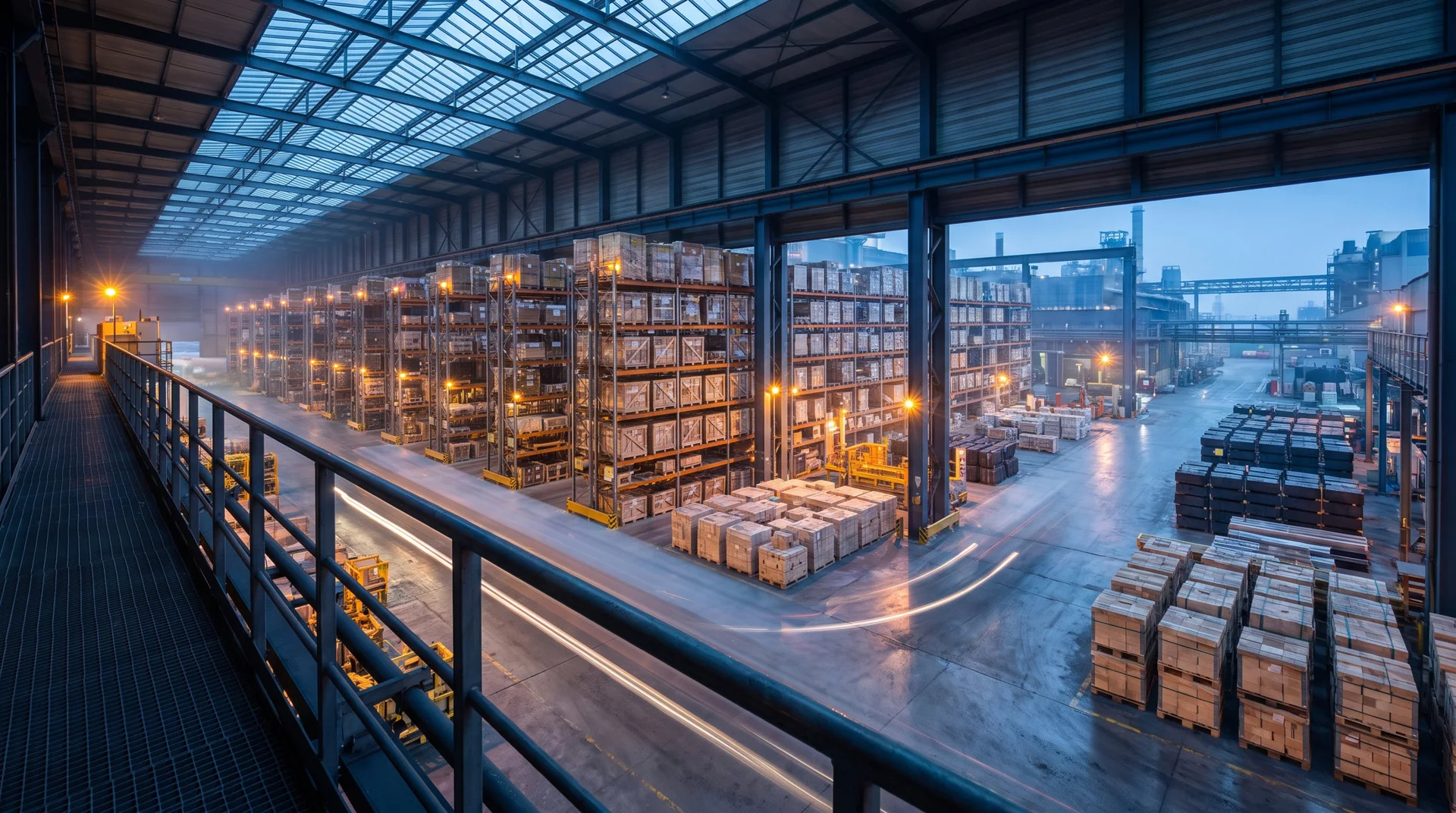
On-site transport is part of the process. Hoppers, feeders, belts, yards, and loading equipment connect the mine to the plant and the plant to dispatch. In Guayana, the articulation between roads, rail, river, and terminals is an essential component of the industrial vision.
Logistics must preserve the material's identity and condition during transfers. Blending, segregation, moisture, losses, and storage capacity influence operations. The dispatch schedule is coordinated with production so that the released quality corresponds to the effectively loaded batch.
- Reception, yards, and internal transfers
- Road, rail, and river coordination
- Batch preparation and dispatch scheduling
 08
08COMMVENSA / Industrial Operations
Procurement, supply, and technical warehouse
Industrial continuity requires consumables and spare parts available at the right time. Refractories, electrodes, anodes, bearings, motors, instrumentation, and lining materials have different purchasing conditions, preservation, and service lives. Inventory must respond to actual line needs and replenishment lead times.
The stocking program described in Commvensa's development framework considers the preparation of critical materials along with facility recovery. Technical reception, location registration, and associating each outgoing item with a work order allow linking inventory use with industrial execution.
- Specifications and technical homologation
- Reception, preservation, and location
- Consumption associated with equipment and work orders
 09
09COMMVENSA / Industrial Operations
Technology, automation, and industrial information
Industrial technology unites process equipment, instrumentation, and data to make plant operation visible. Control systems monitor variables and sequences; production records allow relating operating conditions, consumption, and quality. Technology selection must respond to the ore, the required product, available services, and maintenance capabilities.
Information integration between operations, laboratory, maintenance, and warehouses improves understanding of restrictions and losses. Process histories, event logs, and batch traceability support root cause analysis and continuous improvement. The automation architecture must consider availability, access management, configuration backup, and continuity of the systems that sustain operations.
- Instrumentation, control, and process supervision
- Production data, consumption, and traceability
- System integration and technological continuity
 10
10COMMVENSA / Industrial Operations
Human resources and industrial organization
An industrial operation requires personnel with clear responsibilities, technical training, and coordination between specialties. Human resource planning links shift staffing with the needs of production, maintenance, laboratory, engineering, and logistics. Team experience must be complemented by competency development, on-the-job coaching, and asset knowledge transfer.
The organization defines area managers, handover mechanisms, and communication channels to resolve deviations. Personnel preparation includes industrial safety, risk understanding, and knowledge of their function's limits. In a plant startup or recovery, team incorporation and training must advance alongside facility preparation, so that technical capacity translates into operational continuity.
- Staffing planning and shift organization
- Technical training and knowledge transfer
- Team leadership, communication, and safety culture
 11
11COMMVENSA / Industrial Operations
Preparation, commissioning, and stabilization
Commissioning connects work completion with an operation capable of delivering conforming product. Before activating a unit, its integrity, services, instrumentation, available materials, and personnel preparation are reviewed. Acceptance must be based on evidence and criteria defined for the project.
The stabilization phase allows adjusting coordination between units, consolidating operating parameters, and verifying quality results. In Commvensa's approach, technically recovering a facility and authorizing its activation are distinct milestones, conditioned on service supply and the corresponding contractual scope.
- Equipment and service verification
- Tests and acceptance criteria
- Stabilization, monitoring, and handover to operations
 12
12COMMVENSA / Industrial Operations
Strategic management and industrial leadership
Strategic management defines where to develop capacity, which markets to serve, and how to organize investments. It links resource availability, asset condition, and technological alternatives with demand and logistics. An integrated view of aluminum and iron allows evaluating each project within its complete chain, preventing an isolated expansion from shifting the restriction to another stage.
Industrial direction translates this strategy into priorities, responsibilities, and verifiable decisions. It reviews project progress, asset availability, quality, costs, working capital, and commercial commitments. Energy, supply, and market scenarios guide the execution sequence. Monitoring combines operational indicators with financial discipline and coordination between technical, commercial, and administrative teams.
- Project portfolio and investment priorities
- Performance indicators and results review
- Technical, financial, and commercial coordination
