HomeDivision 01 · Aluminium

Division 01 · Aluminium

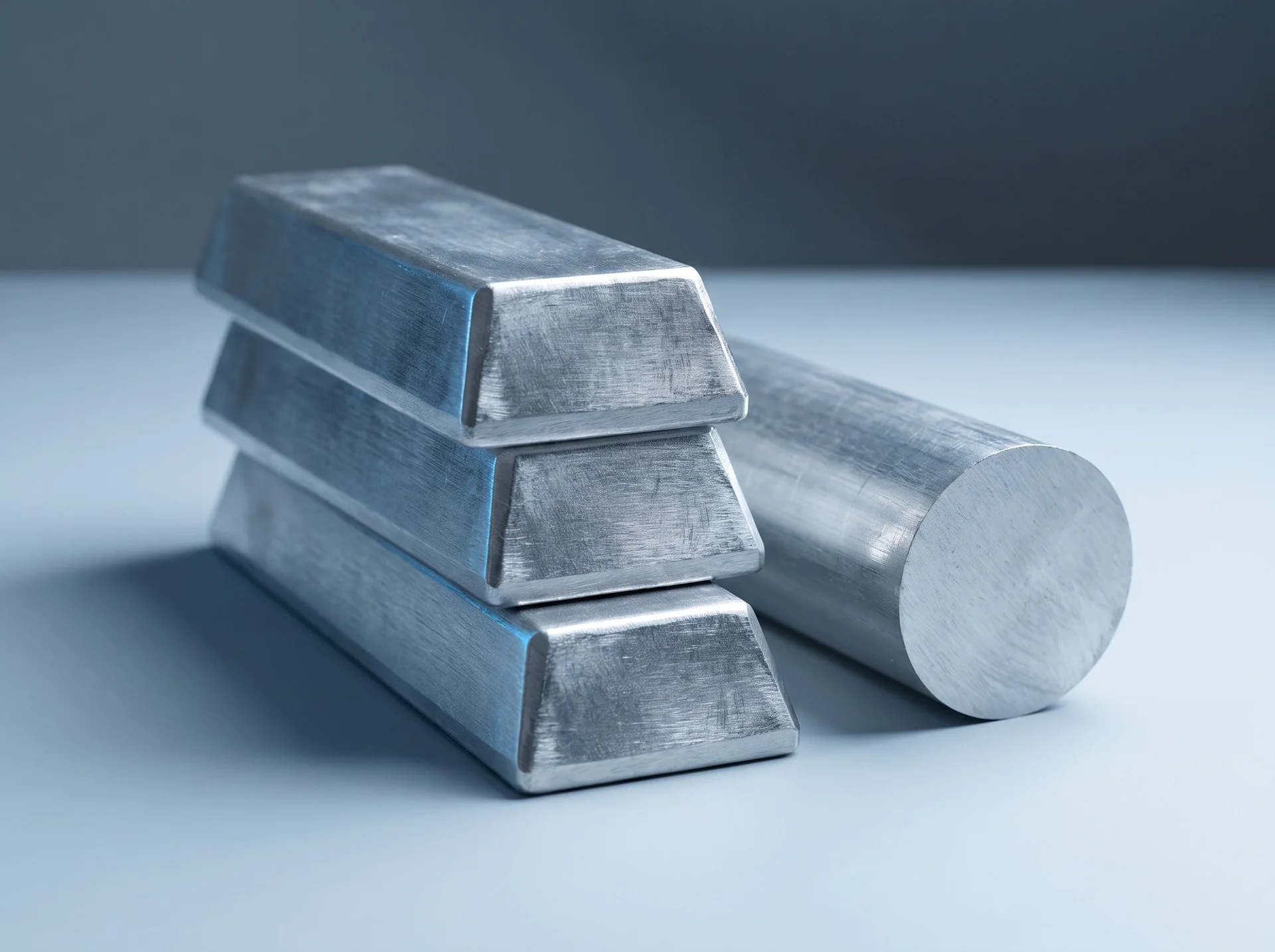
Light in weight. Limitless in potential.

From bauxite and alumina to primary metal and advanced transformation, aluminium connects mineral resources with transport, construction, electrical systems and manufacturing.

Aluminium

One material. A complete industrial journey.

Aluminium begins as a mineral resource and becomes an engineering material through a sequence of distinct industrial processes. Mining, refining, electrolytic reduction, casting and fabrication each demand their own technology, energy profile and quality controls.

Commvensa’s aluminium focus combines the commercial supply of metal products with an industrial development perspective across the wider value chain. Our project approach considers raw-material access, process readiness, utilities, logistics and the requirements of downstream customers together.

Inside the plant / Aluminium

From Bauxite to Product: An Operational Chain.

The aluminum industry combines mining, process chemistry, electrolysis, and mechanical transformation. Each link changes the nature of the material and requires its own organization of equipment, energy, services, and control.

01

Operation / Aluminium

Bauxite mining

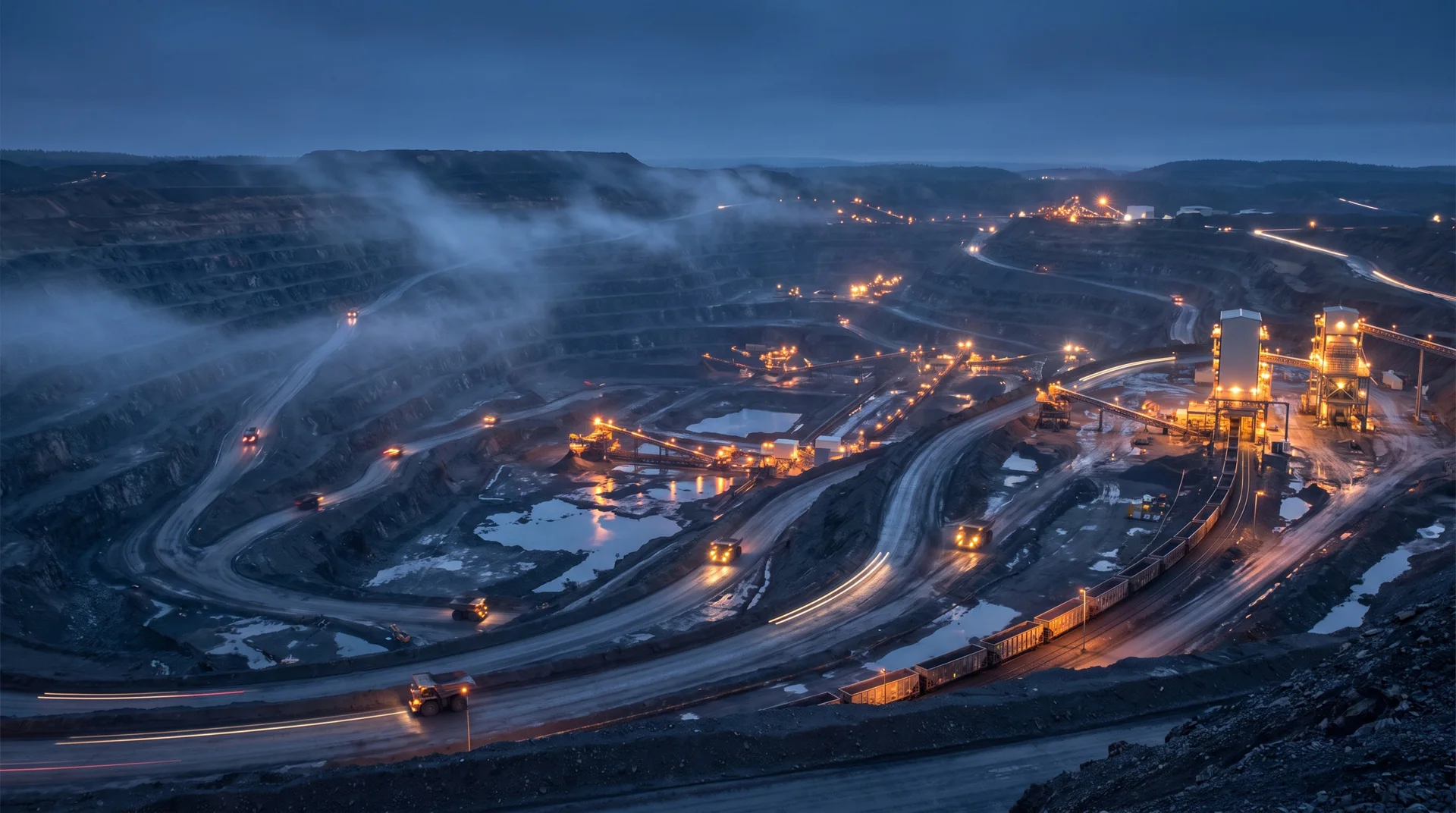
The mining operation organizes access to the deposit, selective extraction, and bauxite transport. Its industrial objective is to feed the refinery with a characterized material stream compatible with the production program.
Bauxite mining01 / Bauxite

Transformation sequence

  1. 01

    Mine Face Planning

    Deposit information is transformed into an extraction sequence. Accesses, material movements, and work areas are coordinated with the expected ore quality. Scheduling considers terrain conditions and fleet availability.

  2. 02

    Extraction and Preparation

    Excavation, loading, and hauling equipment move bauxite to preparation points. When the route requires it, crushing and classification condition the material for subsequent handling. Feed control prevents preparation from depending on irregular deliveries.

  3. 03

    Stockpiling and Transfer

    Yards allow for organizing stocks, identifying materials, and preparing blends. Dispatch to the refinery is synchronized with conveyors and terminals. In the context of Guayana, the river connection is part of the logistical analysis between mine and refining center.

Input material
Bauxite from the deposit
Industrial output
Bauxite prepared for refining
Equipment, control, and continuity

Equipment and systems

  • Excavation, loading, and hauling equipment
  • Crushers and classification systems according to route
  • Conveyors, hoppers, and stockpiling yards
  • Sampling and terminal loading equipment

Process control and quality

Characterization considers the ore's composition, moisture, and properties relevant to the refinery. Provenance and blending records allow relating subsequent process variations to the fed material.

Operational continuity

Fleet availability, belts, and transfer points condition the feed. Maintenance is coordinated with stockpiling capacity and transport windows to prevent a local interruption from propagating throughout the chain.

Connection to the next stage

Prepared bauxite is delivered to the refinery with origin identification, characterization, and agreed reception conditions.
Explore the operation in detail
02

Operation / Aluminium

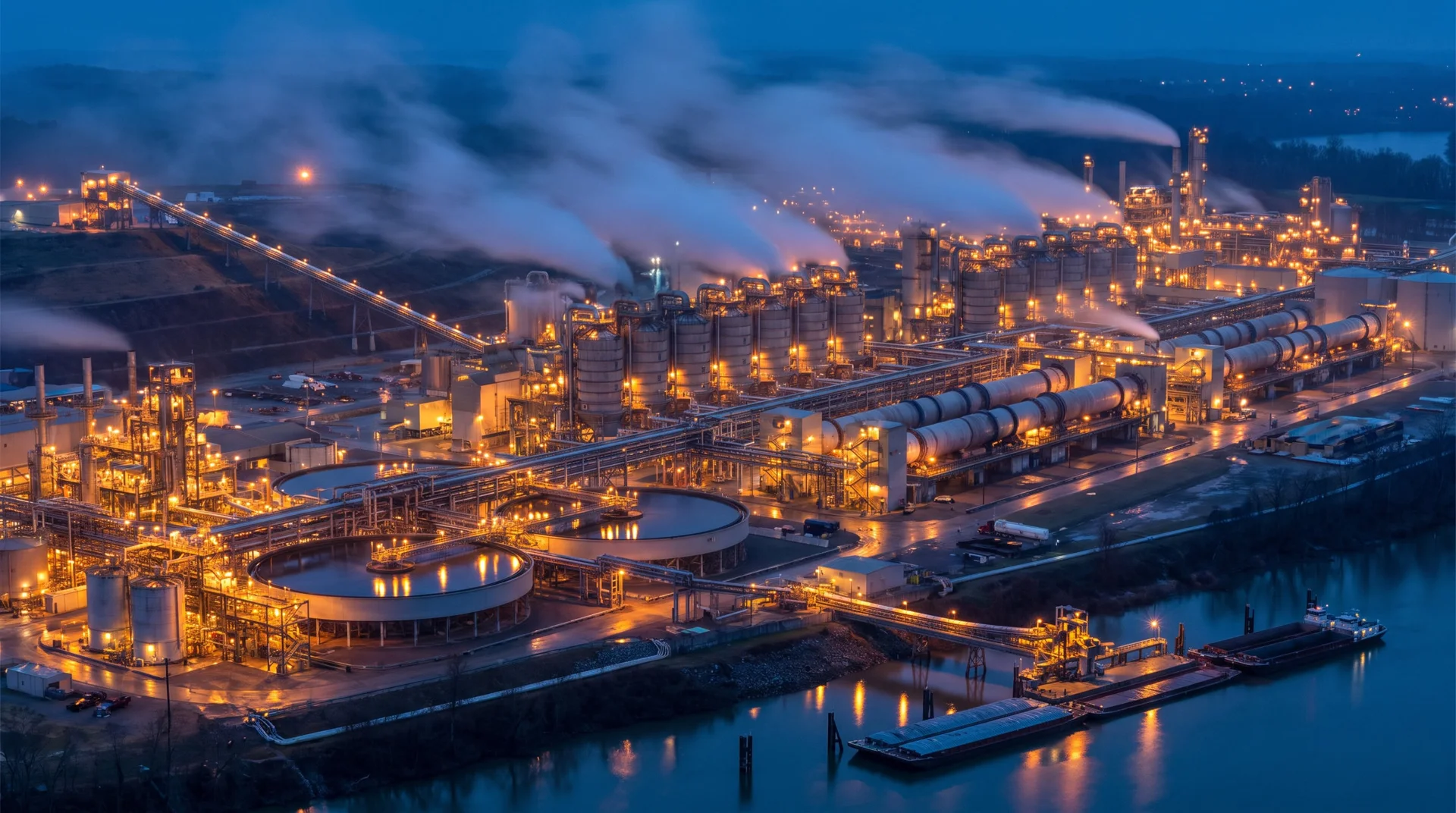
Alumina refining

The refinery transforms a heterogeneous mineral into a defined industrial raw material: alumina. The operation integrates chemical reaction, solid separation, crystallization, and thermal treatment with water, heat, and reagent recovery circuits.

Alumina refining02 / Alumina

Transformation sequence

  1. 01

    Preparation and Digestion

    Bauxite is prepared and brought into contact with a caustic solution in the digestion units. The process aims to dissolve the usable aluminum compounds. The mineral's composition and coordination between feed, heat, and liquor circulation influence performance.

  2. 02

    Clarification and Precipitation

    Solid-liquid separation removes residue from the process liquor. Subsequently, the formation of aluminum hydroxide crystals is promoted through the precipitation stage. Thickening, filtration, classification, and recirculation link these operations within the refining circuit.

  3. 03

    Calcination and Storage

    The hydrate undergoes thermal treatment to obtain alumina. The product is cooled, transported, and stored in an organized manner for delivery to reduction. The operation must preserve material identification and limit contamination during transfers.

Input material
Bauxite and process reagents
Industrial output
Alumina for electrolytic reduction
Equipment, control, and continuity

Equipment and systems

  • Digesters and heat exchangers
  • Thickeners, filters, and pumping stations
  • Precipitation and classification tanks
  • Calciners, coolers, and silos

Process control and quality

The laboratory monitors chemical and physical characteristics of the feed and alumina. Inspection of process streams helps evaluate stability, recirculation, and compliance with reduction stage requirements.

Operational continuity

Pumps, heat exchange systems, and separation equipment sustain continuous circulation. Their maintenance is integrated with steam or fuel, water, and reagent supply. Bauxite residue requires specific management within the plant scope.

Connection to the next stage

Released alumina becomes feed for electrolytic cells; its availability must be coordinated with the reduction plant's consumption and storage.

Explore the operation in detail
03

Operation / Aluminium

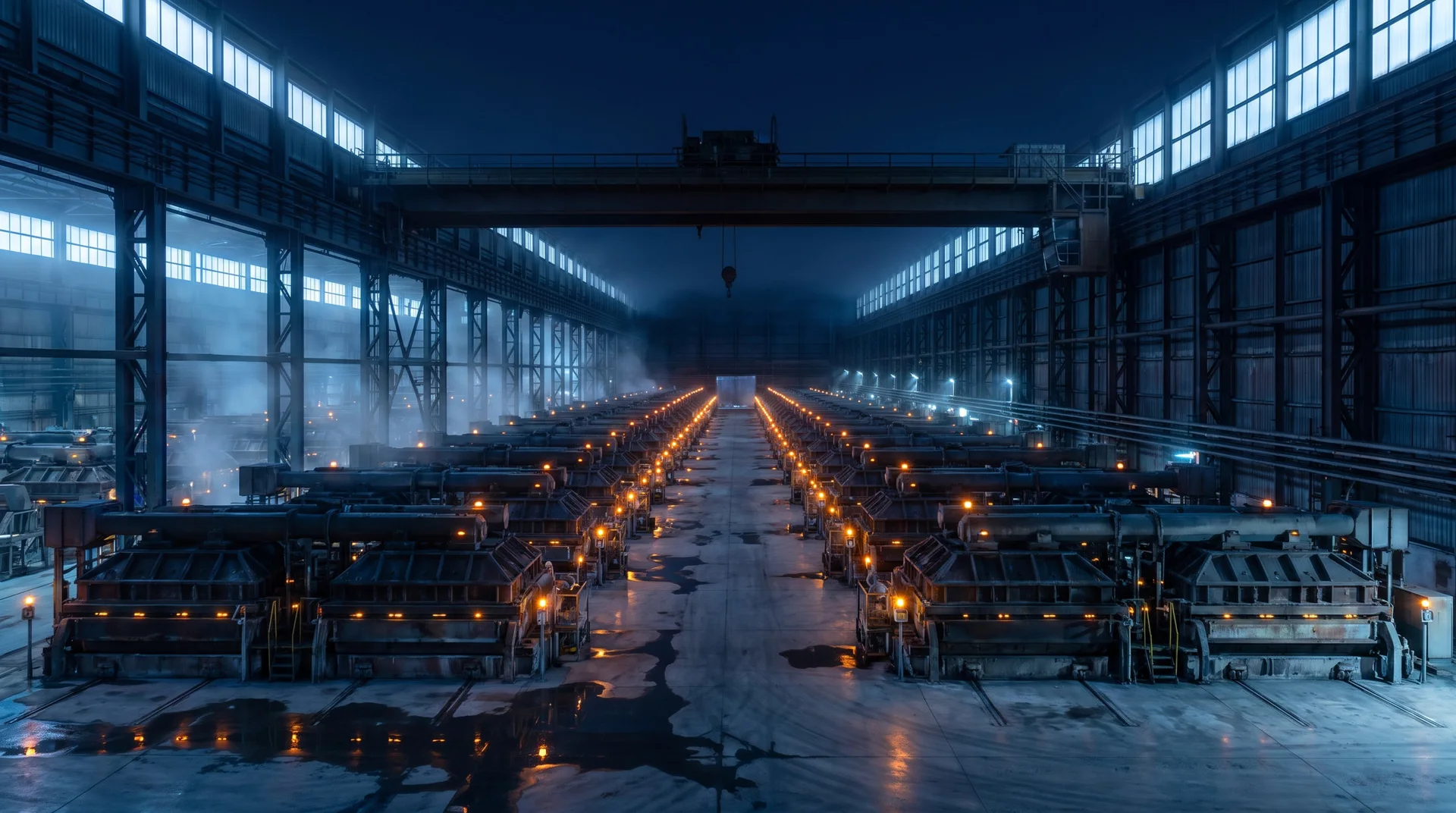
Primary aluminium

Electrolytic reduction converts alumina into liquid aluminum. The potroom functions as an integrated system where electricity, alumina feed, anodes, metal handling, and gas treatment must maintain continuity.

Primary aluminium03 / Primary metal

Transformation sequence

  1. 01

    Feed Preparation

    Alumina is received, stored, and distributed to the cells. Dosing and handling systems must sustain an organized feed. Anodes and other process materials are prepared according to the employed technology's design.

  2. 02

    Reduction in Cells

    The electric current enables the electrochemical transformation of alumina dissolved in the bath. Cell control monitors the electrical and thermal behavior of the system. The operation coordinates feed, anode condition, and maintenance of current-conducting elements.

  3. 03

    Metal Tapping and Transfer

    Liquid aluminum is tapped from the cells and transferred to the casthouse. Handling of crucibles and transport equipment links the potroom with the casting schedule, while metal identification accompanies its transfer.

Input material
Alumina, electricity, and electrolysis materials
Industrial output
Liquid primary aluminum
Equipment, control, and continuity

Equipment and systems

  • Cells, linings, and busbars
  • Substations and rectifier systems
  • Alumina dosing and anode handling
  • Tapping equipment, metal transport, and gas treatment

Process control and quality

Electrical variables, thermal balance, and bath condition are evaluated along with the results of the obtained metal. Control adapts to cell technology; there is no single configuration applicable to all facilities.

Operational continuity

Electrical stability is a central condition. Industrial preparation also includes rectifier spare parts, lining materials, handling equipment, and gas treatment. Line activation requires verifying these systems jointly.

Connection to the next stage

Liquid metal feeds the casthouse, where it is adjusted to the alloys and formats required for subsequent transformation.

Explore the operation in detail
04

Operation / Aluminium

Casting & alloys

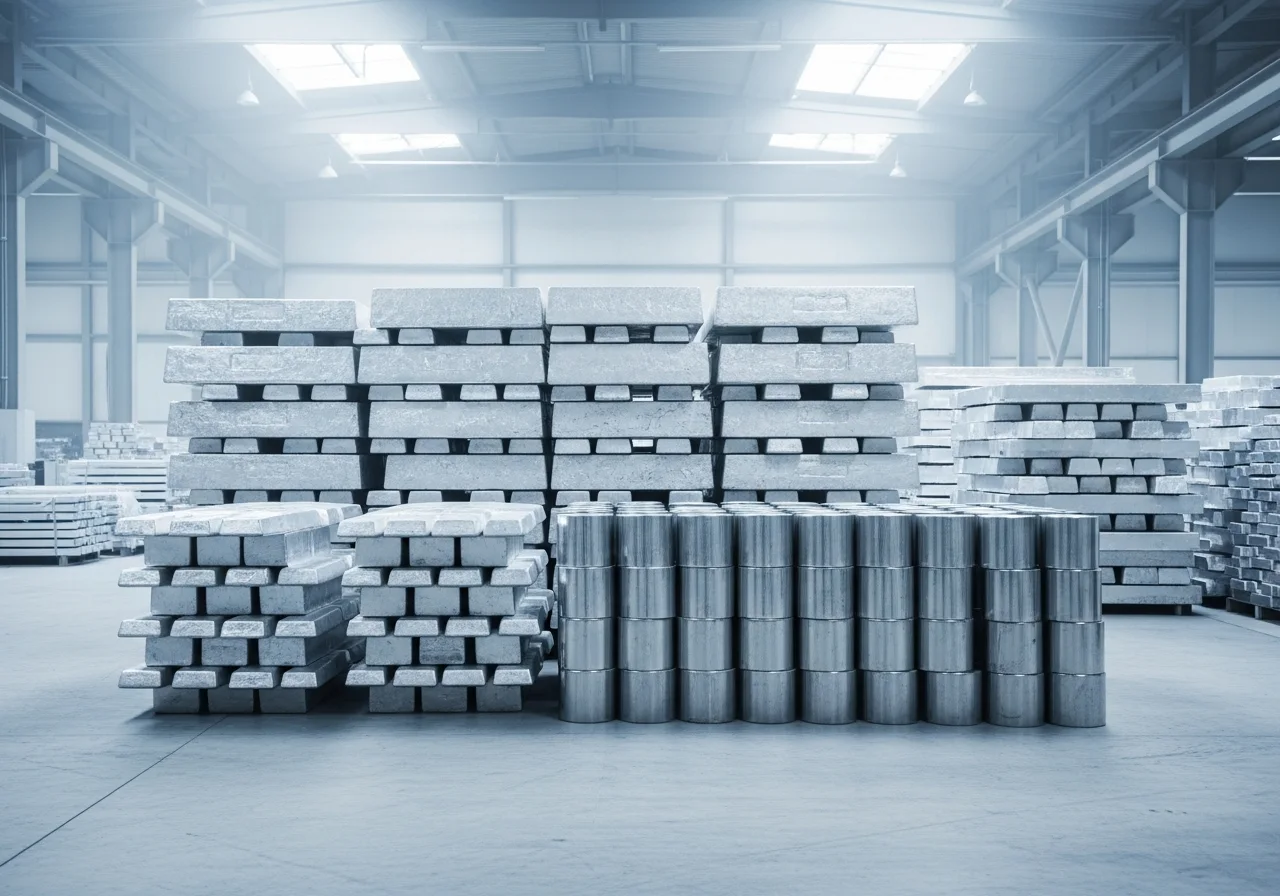
The casthouse transforms liquid metal into a transportable and usable industrial form. At this stage, composition, bath preparation, casting technology, and rolling, extrusion, or remelting requirements are connected.

Casting & alloys04 / Casting

Transformation sequence

  1. 01

    Metal Reception and Preparation

    Holding and melting furnaces organize the metal supply for the campaign. Preparation considers the required composition, identification of charges, and metal treatment according to the intended application.

  2. 02

    Casting by Product Family

    Line selection depends on the format: ingots for remelting, billets for extrusion, or slabs for rolling. Formation and cooling control aims to obtain a geometry and condition compatible with subsequent processing.

  3. 03

    Conditioning and Identification

    Depending on the product and route, pieces may require cutting, surface conditioning, or homogenization. Inspection, lot identification, and storage are organized. These operations preserve the relationship between composition, campaign, and destination.

Input material
Liquid aluminum and alloying elements
Industrial output
Ingots, billets, and cast slabs
Equipment, control, and continuity

Equipment and systems

  • Holding and melting furnaces
  • Metal preparation and filtration systems
  • Casting lines and cooling circuits
  • Cutting, inspection, and handling equipment

Process control and quality

Verification combines composition analysis, dimensional inspection, and product condition evaluation. Criteria are established for the application; an extrusion billet and a remelt ingot do not share all requirements.

Operational continuity

The casting schedule must coordinate furnaces, cooling, molds, and handling equipment. Preparation of refractories and spare parts helps organize campaign changes and maintenance without losing material traceability in process.

Connection to the next stage

Semi-finished products are assigned to rolling, extrusion, or remelting customers with agreed documentation and condition.

Explore the operation in detail
05

Operation / Aluminium

Rolling & extrusion

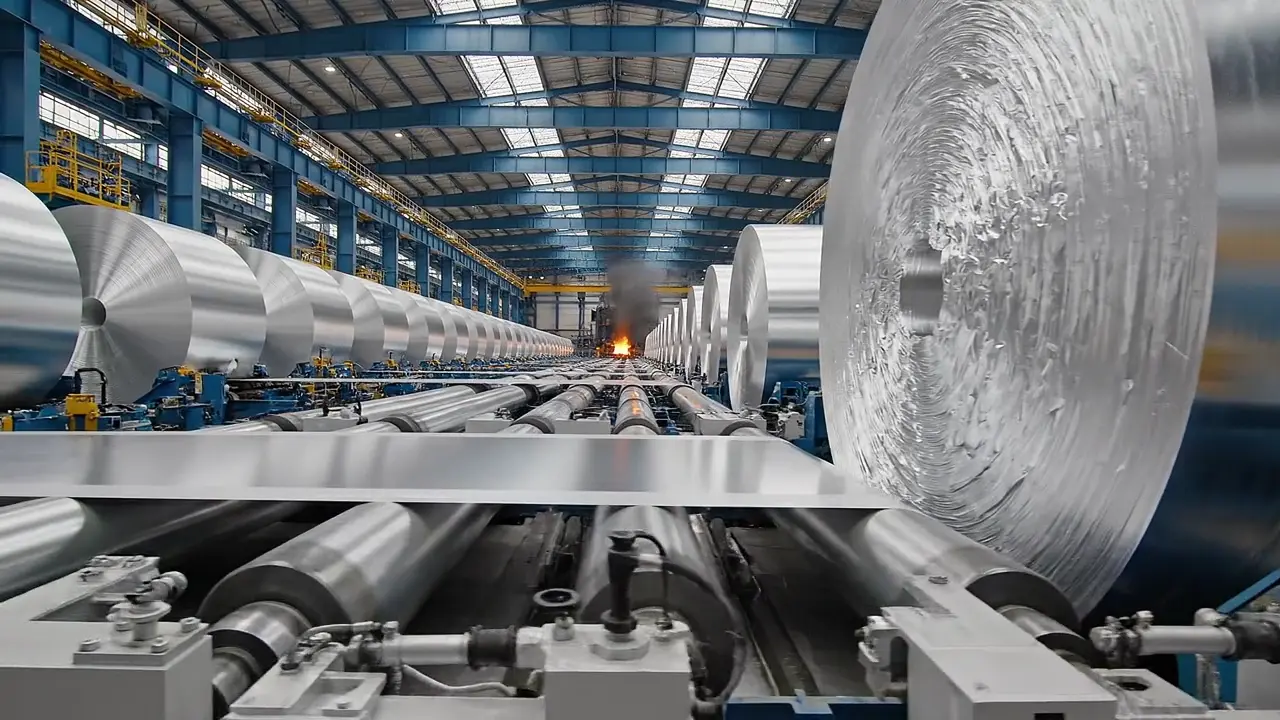
Mechanical transformation converts semi-finished products into thicknesses, sections, and use conditions. Rolling and extrusion are different routes: one primarily produces flat formats and the other profiles defined by a die.

Rolling & extrusion05 / Transformation

Transformation sequence

  1. 01

    Semi-finished Product Preparation

    The material is identified and conditioned for the chosen route. In rolling, the slab is prepared for thickness reduction; in extrusion, the billet is assigned to a die and a work sequence. The initial condition influences the result.

  2. 02

    Rolling or Extrusion

    Rolling mills progressively reduce thickness using rollers. Extrusion shapes the metal by passing it through a die. Scheduling considers geometry, alloy behavior, and installed equipment capabilities.

  3. 03

    Treatment and Finishing

    According to specification, the route may incorporate heat treatment, stretching, leveling, cutting, or coiling. Inspection confirms dimensional and surface condition before moving to fabrication, packaging, or delivery as a semi-finished product.

Input material
Aluminum slabs or billets
Industrial output
Flat rolled products and extruded profiles
Equipment, control, and continuity

Equipment and systems

  • Rolling mills and coiling equipment
  • Extrusion presses and dies
  • Furnaces and heat treatment systems
  • Leveling, cutting, and inspection lines

Process control and quality

Control monitors thickness, width, geometry, surface, and customer-required properties. Verifications relate to the alloy and metallurgical state; visual appearance does not replace technical inspection.

Operational continuity

Rollers, dies, drives, and lubrication or cooling circuits require specific maintenance. Scheduling tool changes and campaigns allows coordinating productivity, availability, and product variety.

Connection to the next stage

Coils, sheets, and profiles go to fabrication or are supplied as transformed products according to order.

Explore the operation in detail
06

Operation / Aluminium

Finished aluminium products

The last segment of the chain adapts aluminum to a specific application. The product is no longer defined solely by its composition but also by a geometry, supply condition, presentation, and industrial function.

Finished aluminium products06 / Applications

Transformation sequence

  1. 01

    Application Definition

    Alloy, dimensions, condition, and inspection requirements are specified. Technical dialogue with the customer allows selecting the appropriate route: conductor, component, profile, foil, or input for further transformation. Availability is confirmed for each supply.

  2. 02

    Fabrication and Finishing

    Depending on the line and industrial scope, cutting, machining, forming, drawing, or surface treatments may be involved. These activities require their own tools and controls. Their integration must be defined with the manufacturer or responsible partner.

  3. 03

    Inspection, Packaging, and Dispatch

    Release verifies product conformity and correspondence between lot, documentation, and order. Packaging protects surfaces and geometries during handling. Dispatch is scheduled with the agreed destination and transport means.

Input material
Rolled products, profiles, and other semi-finished products
Industrial output
Products and inputs for industrial applications
Equipment, control, and continuity

Equipment and systems

  • Fabrication equipment according to application
  • Measurement and inspection instruments
  • Identification and packaging systems
  • Storage and dispatch means

Process control and quality

Final acceptance gathers order requirements: material, measurements, surface, documentation, and presentation. When specific tests or certificates are required, their scope is agreed within the commercial and technical relationship.

Operational continuity

Continuity depends on the availability of semi-finished products, tools, and packaging, in addition to fabrication equipment. Coordination with the customer allows ordering campaigns and delivery needs.

Connection to the next stage

The material is incorporated into construction, transport, electrical systems, or manufacturing; the requirements of these uses feed back into the chain's specification.

Explore the operation in detail

Infrastructure and auxiliary services

Systems that sustain production

Industrial Operations
01

Energy and Utilities Balance

The refinery needs heat and material circulation; electrolytic reduction depends on a continuous electrical supply; transformation uses power, cooling, and handling equipment. Operational design must recognize these differences and coordinate services with each campaign.

02

Anodes, Refractories, and Consumables

Carbon anodes are part of the electrolysis system. Their preparation and supply, along with cell and furnace linings and casting consumables, must be integrated into the maintenance program and technical warehouse.

03

Material Recovery and Management

The recirculation of water and reagents, bauxite residue management, and recovery of transformation scraps require defined circuits. Separating each stream helps preserve quality, organize inventories, and evaluate utilization alternatives.

Commvensa's operational scope is defined for each project and contract. This explanation describes the industrial organization processes and criteria that guide its development.

Output & applications

Designed for the way the world moves.

Explore our products
01

Transport & mobility

02

Building & architecture

03

Electrical conductors

04

Packaging & manufacturing

COMMVENSA USA

Let’s build what comes next.

Connect with our team to discuss metals, industrial development and long-term commercial relationships.