HomeDivision 02 · Iron & steel

Division 02 · Iron & steel

Built on strength. Engineered for progress.

From iron-bearing ore to reduced iron, steelmaking and rolled products: a connected value chain behind infrastructure, machinery and modern manufacturing.

Iron & steel

From mineral strength to industrial performance.

The ferrous value chain brings together mining, ore preparation, reduction and steel transformation. Each stage changes the material and creates different requirements for logistics, quality, energy and process control.

Commvensa’s commercial experience in iron ore and DRI/HBI provides a foundation for a wider industrial development vision. Our approach links resource preparation and intermediate products with the technical requirements of steelmaking, continuous casting and downstream rolling.

Inside the plant / Iron & steel

From ore to steel:transformation with continuity.

The ferrous chain brings together ore preparation, reduction, melting, casting, and rolling. Coordination between operations converts ore supply into products with a defined composition, shape, and condition.

01

Operation / Iron & steel

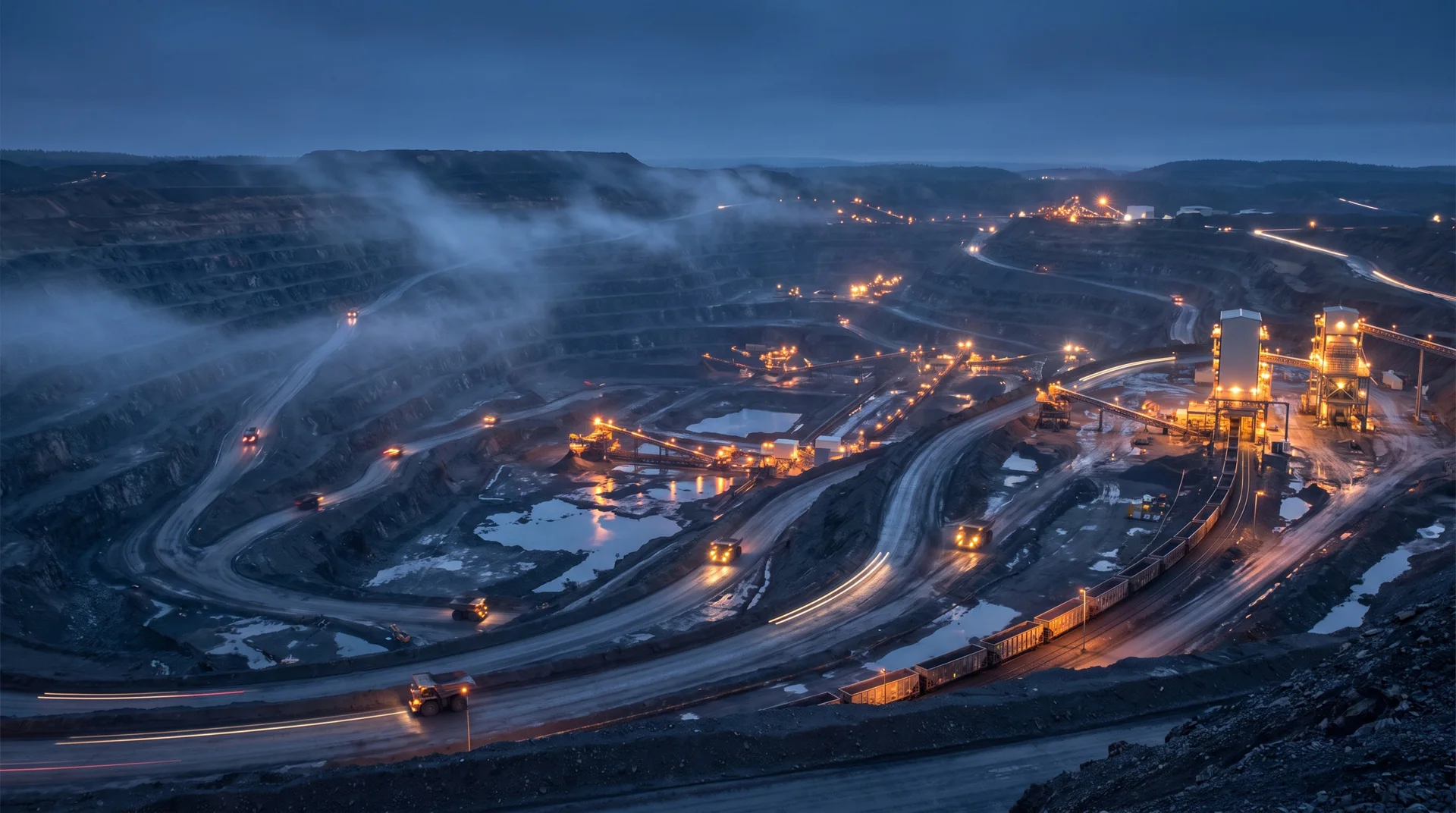
Iron ore mining

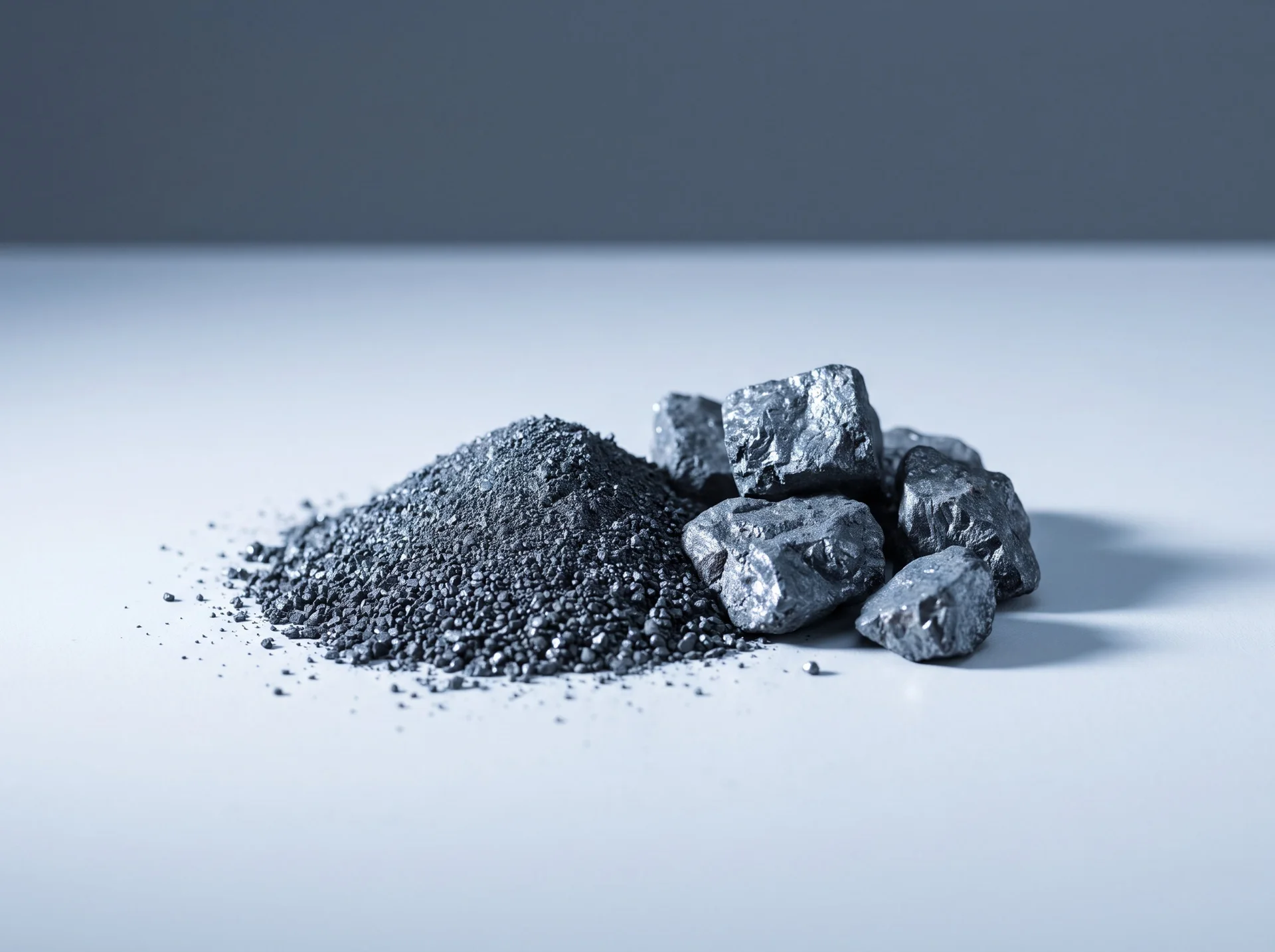
The mine converts the geological resource into an industrial feed. The operation coordinates extraction, loading, hauling, and delivery to preparation, maintaining information on the ore's origin and the condition of the equipment mobilizing it.
Iron ore mining01 / Mining

Transformation sequence

  1. 01

    Extraction planning

    Deposit characterization guides work fronts and exploitation sequence. Scheduling considers expected quality, access, transport, and plant reception capacity. The objective is to connect the mine's pace with the overall capacity.

  2. 02

    Blasting, loading, and hauling

    Fragmentation is defined according to deposit conditions and the applicable mining method. Loading and transport equipment moves the ore to crushing or stockpiling. Coordination of movements and reception contributes to a stable feed.

  3. 03

    Reception at preparation

    The ore is identified, unloaded, and organized for processing. Communication between mine and plant allows relating changes in feed to material origin and adjusting the schedule within available capacities.

Input material
Iron ore from the deposit
Industrial output
Feed for ore preparation
Equipment, control, and continuity

Equipment and systems

  • Drilling equipment according to mining method
  • Shovels, loaders, and hauling fleet
  • Hoppers and reception points
  • Weighing and sampling systems

Process control and quality

Mineralogical and chemical characterization is complemented by size and moisture information. Origin control helps prepare blends and interpret ore behavior in classification, concentration, or reduction.

Operational continuity

Fleet and access availability are coordinated with crushing capacity. Mobile equipment maintenance requires spare parts, services, and scheduling compatible with operating fronts and shifts.

Connection to the next stage

Extracted ore proceeds to crushing, classification, and, when applicable, concentration, according to the defined route for the deposit and product.
Explore the operation in detail
02

Operation / Iron & steel

Preparation & beneficiation

Ore preparation organizes size and composition so that iron can advance to a metallurgical application. The treatment scheme is defined based on mineralogy: not all ores require the same concentration operations.

Preparation & beneficiation02 / Processing

Transformation sequence

  1. 01

    Crushing and classification

    Size reduction and screening separate material fractions. Feeders, crushers, screens, and conveyors must work with coordinated flow rates. Size distribution influences subsequent handling and suitability for the chosen route.

  2. 02

    Concentration when applicable

    Separation is selected according to ore properties. It may require grinding and specific concentration equipment; a single solution does not apply to all deposits. The goal is to obtain a stream compatible with metallurgical and commercial requirements.

  3. 03

    Blending, stockpiling, and dispatch

    Material is organized by characteristics and destination. Controlled blending and yard identification allow preparing consistent batches. Delivery is coordinated with pelletizing, reduction, or direct commercialization of the corresponding fraction.

Input material
Extracted and characterized ore
Industrial output
Fines, coarse, or concentrates according to the route
Equipment, control, and continuity

Equipment and systems

  • Feeders, crushers, and screens
  • Grinding and concentration according to mineralogy
  • Conveyors, stackers, and reclaimers
  • Sampling, laboratory, and inventory control

Process control and quality

Control relates iron content, accompanying components, particle size, and moisture to product specification. Comparison between feed and resulting streams helps evaluate preparation behavior.

Operational continuity

Wear of linings, screens, and transfer points influences availability and classification. Maintenance is scheduled along with yard management to maintain feeding capacity while units are serviced.

Connection to the next stage

Fines, coarse, or concentrates are destined for the next compatible operation; pelletizing is a possible route for suitable fine material.

Explore the operation in detail
03

Operation / Iron & steel

Pelletising

Pelletizing prepares an agglomerated charge from suitable fine material. The operation combines mix preparation, pellet formation, and thermal treatment to obtain a product compatible with the receiving facility.

Pelletising03 / Pellets

Transformation sequence

  1. 01

    Mix preparation

    Feed material is conditioned according to plant design and target product. Size distribution, moisture, and mix components influence pellet formation and their response to subsequent treatment.

  2. 02

    Formation and classification

    Agglomeration equipment forms green pellets, which are classified before thermal treatment. Fractions outside the planned range can return to the preparation circuit, according to process design and material balance.

  3. 03

    Thermal treatment and cooling

    The thermal sequence consolidates the pellets for subsequent use. After cooling, the product is classified and organized for storage or dispatch. Coordination of the thermal circuit with feeding and material handling is a central part of the operation.

Input material
Fine material suitable for agglomeration
Industrial output
Pellets for a compatible reduction route
Equipment, control, and continuity

Equipment and systems

  • Preparation and dosing systems
  • Agglomeration discs or drums
  • Classification and material return
  • Thermal treatment and cooling equipment

Process control and quality

Evaluation brings together chemistry, size, and physical properties relevant to the consumer. The metallurgical destination conditions the requirements: acceptance must be agreed upon with the receiving plant and the corresponding reduction technology.

Operational continuity

Fans, burners, conveyors, and linings of the thermal circuit require a joint maintenance strategy. Feed changes must be coordinated with process response and available stocks.

Connection to the next stage

Conforming pellets feed compatible reduction processes. The chain presented on this website continues via the direct reduction route.

Explore the operation in detail
04

Operation / Iron & steel

Direct reduction & HBI

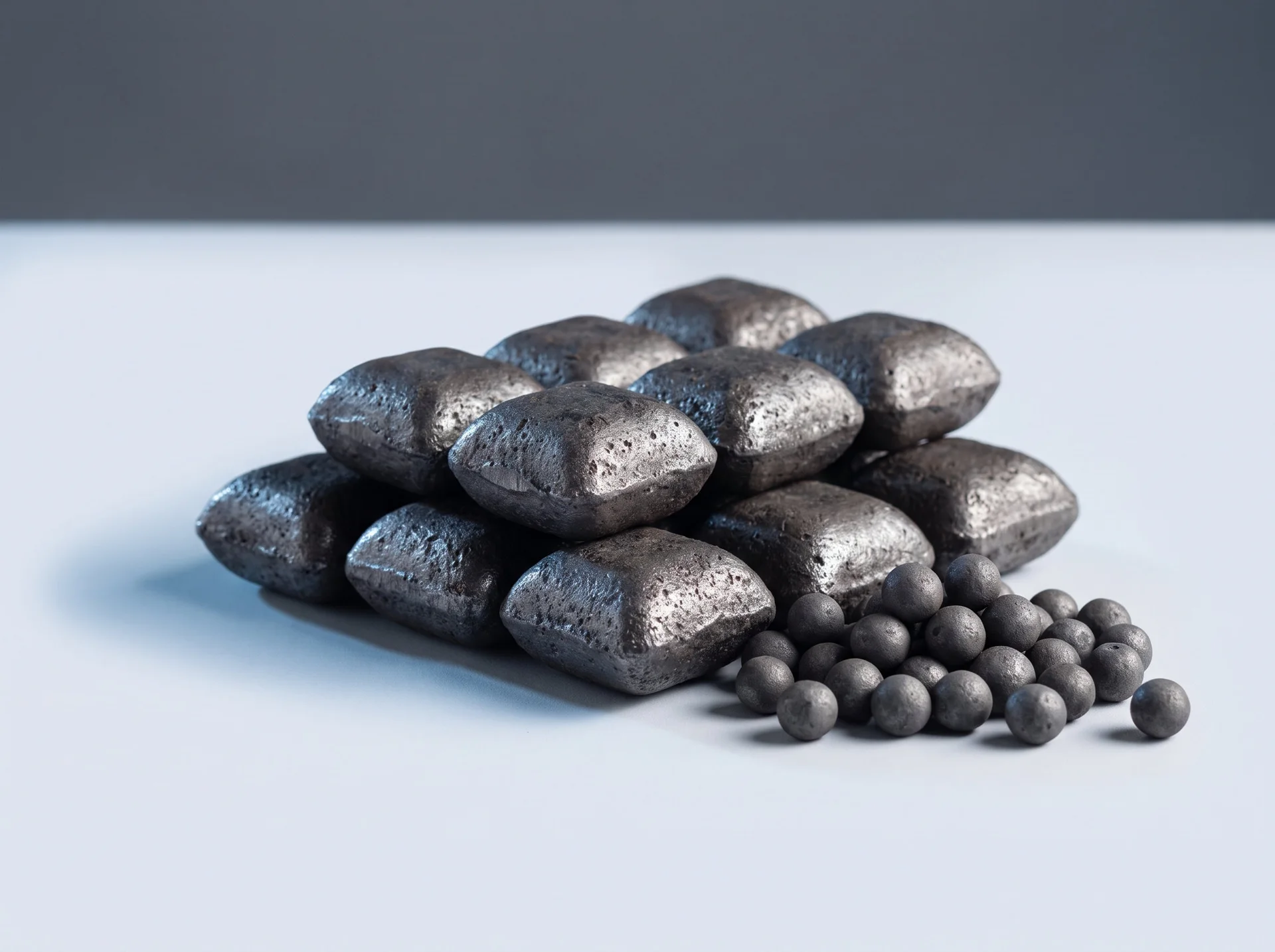
Direct reduction transforms iron oxides into metallic iron without melting the charge. Hot briquetting is a subsequent compaction operation: it allows obtaining HBI from the reduced material and connecting the plant with the supply to steel mills.

Direct reduction & HBI04 / DRI / HBI

Transformation sequence

  1. 01

    Feed and gas preparation

    The charge and reducing gas are prepared according to the installed technology. The condition of the ore and the stability of the gaseous supply influence reduction. The circuit includes circulation, conditioning, and recovery equipment according to its design.

  2. 02

    Solid-state reduction

    Contact between charge and gas allows oxygen to be removed from the ore. The reduced iron retains a solid form before discharge. The operation follows the evolution of the process and coordinates feed, gas, and product extraction.

  3. 03

    Discharge and briquetting

    The reduced product can follow different handling routes. To obtain HBI, the hot material is compacted in briquetters and conditioned for transfer. Reduction, discharge, and compaction must be coordinated to maintain continuity and quality.

Input material
Compatible ore charge and reducing gas
Industrial output
Direct reduced iron and HBI briquettes
Equipment, control, and continuity

Equipment and systems

  • Reactor and ore feed
  • Gas circuit, heating, and heat exchange
  • Discharge equipment and briquetters
  • Cooling, handling, and dispatch preparation

Process control and quality

Evaluation considers the characteristics of the reduced iron and, for HBI, the condition of the briquette. Analysis, batch identification, and transport requirements are established for the product form and specific operation.

Operational continuity

Gas supply, thermal equipment integrity, and briquetting availability condition the schedule. Refractories, bearings, compaction elements, and control systems must be integrated into spare parts and shutdown preparation.

Connection to the next stage

DRI and HBI are metallic inputs for steel manufacturing. They are not finished steel nor do they equate to a melting stage.

Explore the operation in detail
05

Operation / Iron & steel

Steelmaking & casting

Steelmaking adjusts the metal's composition and prepares it to become semi-finished products. The electric furnace route connects metallic charge, melting, refining, and continuous casting with a network of auxiliary services of great operational importance.

Steelmaking & casting05 / Steelmaking

Transformation sequence

  1. 01

    Charge preparation and melting

    The schedule defines the combination of metallic inputs according to the steel grade and availability. The electric furnace provides energy to form the liquid bath. The organization of charges, consumables, and handling equipment accompanies the production sequence.

  2. 02

    Refining and secondary metallurgy

    The metal is prepared to achieve the required composition and condition before casting. Depending on the grade and equipment, adjustments and treatments are performed in the ladle. The laboratory and casting schedule must be coordinated with this phase.

  3. 03

    Continuous casting and cutting

    Liquid steel passes from the ladle to the distribution system and the mold. Solidification and extraction produce a continuous section that is cut into semi-finished products. The route determines whether the result is slab, bloom, or billet.

Input material
Metallic charge, energy, and steelmaking materials
Industrial output
Steel semi-finished products identified by heat
Equipment, control, and continuity

Equipment and systems

  • Electric furnace and charging system
  • Ladles and secondary metallurgy equipment
  • Continuous casting machine and cutting
  • Cooling, gases, fume extraction, and cranes

Process control and quality

Release relates composition, thermal condition, and semi-finished product quality to the requested grade. Laboratory results and inspections are recorded by heat to maintain traceability to rolling.

Operational continuity

The availability of power, cooling water, gases, and refractories accompanies that of the furnace. Coordination between steelmaking and casting prevents a restriction in one area from disrupting the entire manufacturing schedule.

Connection to the next stage

Slabs, blooms, or billets are assigned to rolling mills compatible with the shape and quality of the semi-finished product.

Explore the operation in detail
06

Operation / Iron & steel

Rolling & finished steel

Rolling converts the semi-finished product into a family of flat or long products. The industrial itinerary depends on the requested geometry and properties: thermal preparation, deformation, finishing, and inspection form a defined sequence for each product.

Rolling & finished steel06 / Finished steel

Transformation sequence

  1. 01

    Preparation and hot rolling

    The semi-finished product is conditioned to enter the mill. Rolling stands reduce and shape its section in successive passes. Scheduling links the input geometry with the equipment and the product family that the facility can manufacture.

  2. 02

    Transformation and finishing

    Depending on the route, cold rolling, heat treatments, leveling, cutting, or other operations may be involved. Not all products pass through all units: the sequence is determined by the grade, dimension, and required supply condition.

  3. 03

    Inspection and delivery

    Products are verified and organized by order and heat. Dimensional and surface control is complemented by specified tests. Identification, packaging, and storage must maintain this correspondence until dispatch.

Input material
Steel slabs, blooms, or billets
Industrial output
Flat or long products for industrial use
Equipment, control, and continuity

Equipment and systems

  • Preparation furnaces and rolling mills
  • Drives, rolls, and cooling
  • Finishing, cutting, and coiling equipment
  • Inspection, identification, and product handling

Process control and quality

Conformity is evaluated against grade, dimensions, and use requirements. Records must allow relating the rolled product to the semi-finished product and the originating heat, including applicable tests and treatments.

Operational continuity

Rolls, guides, drives, and finishing equipment require preparation and maintenance linked to campaigns. Scheduling considers format changes, storage capacity, and dispatch availability.

Connection to the next stage

Products serve construction, infrastructure, machinery, and manufacturing. The end-user specification guides grade and route selection throughout the chain.

Explore the operation in detail

Infrastructure and auxiliary services

Systems that sustain production

Industrial Operations
01

Gas, electricity, and industrial gases

Direct reduction, steelmaking, and rolling mills have distinct demands. The supply of reducing gas, electrical power, oxygen, and other services must be studied according to the technology of each unit and its planned activation sequence.

02

Refractories and process materials

Furnaces, ladles, and tundishes require refractory materials compatible with their function. Electrodes, fluxes, ferroalloys, and casting spare parts are part of a planning that links purchasing, warehousing, equipment preparation, and production.

03

Water, recirculation, and recovery

Cooling and process stream management support various stages of the chain. The management of scale, dusts, slags, and metallic returns must define segregation, evaluation, and appropriate destinations for each facility.

Commvensa's operational scope is defined for each project and contract. This explanation describes the industrial organization processes and criteria that guide its development.

Output & applications

Strength across essential industries.

Explore our products
01

Infrastructure & construction

02

Machinery & equipment

03

Transport systems

04

Industrial manufacturing

COMMVENSA USA

Let’s build what comes next.

Connect with our team to discuss metals, industrial development and long-term commercial relationships.